Thai massage, known as Nuad Boran, is an ancestral therapeutic art with roots dating back over 2,500 years. It was developed at the crossroads of several traditions: Ayurvedic medicine from India, traditional Chinese medicine and local Thai know-how. More than a simple relaxation technique, it embodies a veritable philosophy of care in which body and mind are considered inseparable.
Thai massage was originally practiced in temples, notably the famous Wat Pho in Bangkok. Monks used it as a tool for healing and prevention, transmitted orally from master to pupil. Each gesture and pressure was designed to stimulate the “sen lines”, the energy channels that run through the body and which, according to tradition, allow vital energy to circulate freely.
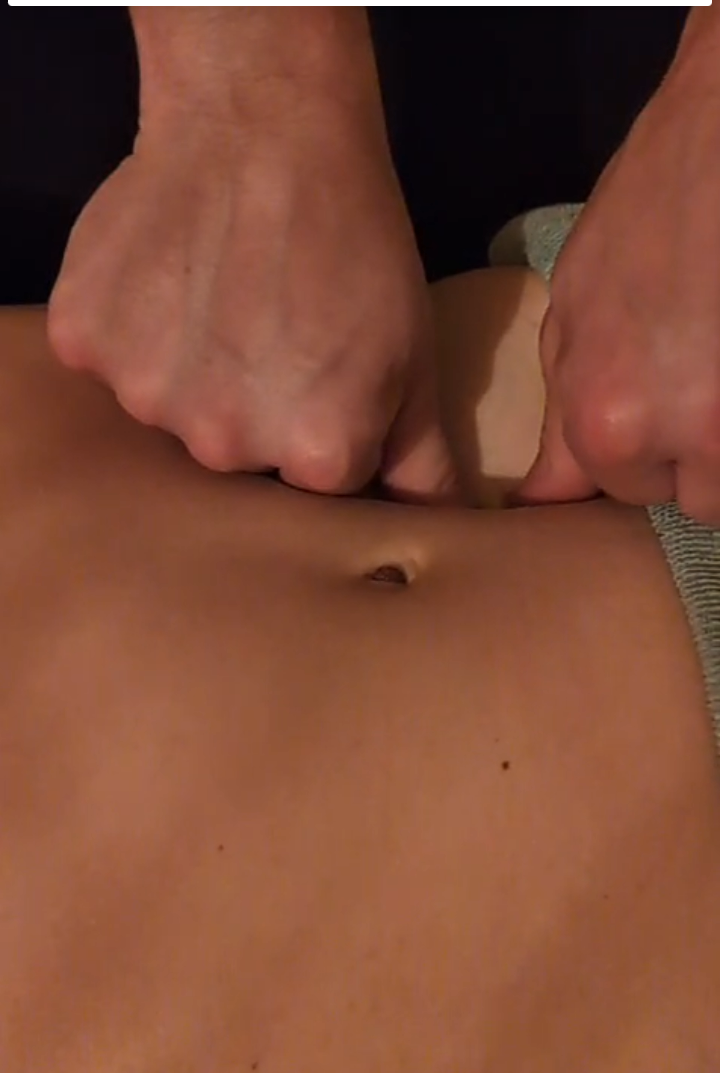
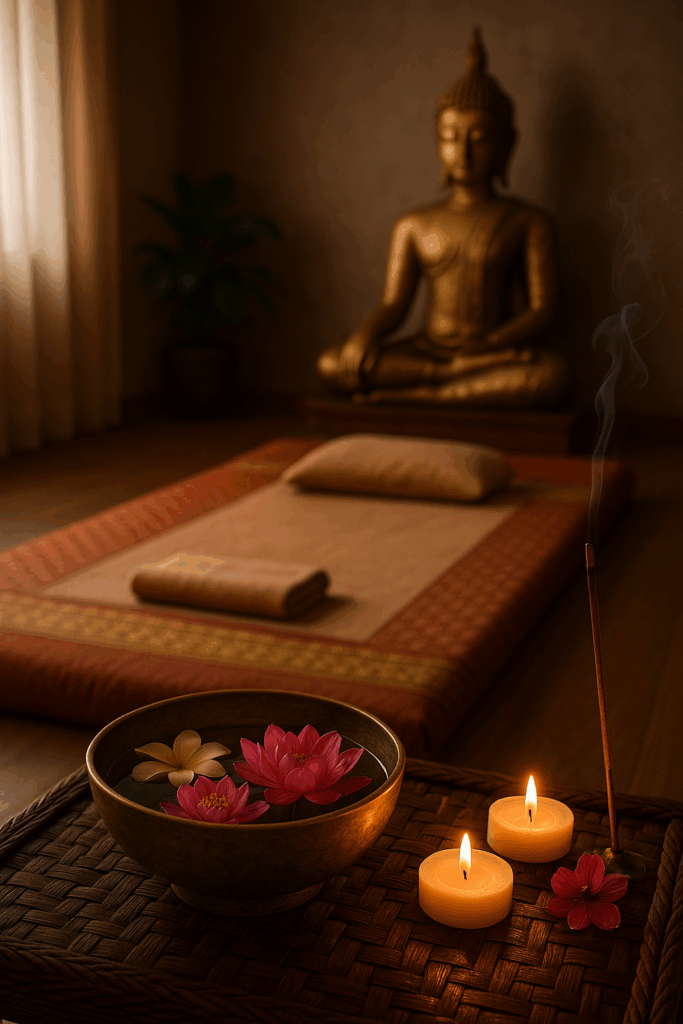
The practice is distinguished by its unique approach: the recipient is positioned on the floor, dressed in loose-fitting clothing, and the practitioner uses not only his or her hands, but also elbows, knees or feet. Pressure alternates with stretching, sometimes reminiscent of yoga postures. This combination has both a relaxing and energizing effect.
In modern society, Thai massage is as relevant as ever. In the face of stress, sedentary lifestyles and accumulated tension, it offers a natural response to boost energy and regain balance. Its effectiveness is based as much on tradition as on adaptability: each session is tailored to the individual’s needs.
To receive a Thai massage today is to follow in the footsteps of a thousand-year-old practice, but also to reconnect with yourself. It’s an all-encompassing treatment that acts as much on the physical body as on the mind.